
The Connection Between Thriving Black-Owned Businesses and Better Community Health

When Black-owned businesses thrive, entire communities get healthier. It's not just about economic growth: though that's important too. We're talking about a ripple effect that touches everything from childhood well-being to mental health, from food access to cultural pride. In Roseland and communities like ours across the South Side, this connection isn't theoretical. It's happening every day.
At Project34, we see this relationship up close. The businesses we support don't just create jobs: they create networks of care, knowledge, and resources that directly impact community health outcomes.
Economic Circulation Creates Health Foundations
When dollars stay in our community, health improves. It's that simple, and that powerful. Black-owned businesses hire locally, keeping wealth circulating within our neighborhoods instead of flowing to distant corporate headquarters. This creates financial stability for families, reducing the stress that leads to so many health problems.
Research from Atlanta shows just how measurable this impact is. For every additional Black-owned small business per 1,000 Black residents, child well-being scores increase by about 1.8 points: roughly a 4% improvement. These aren't small numbers when we're talking about kids' futures.
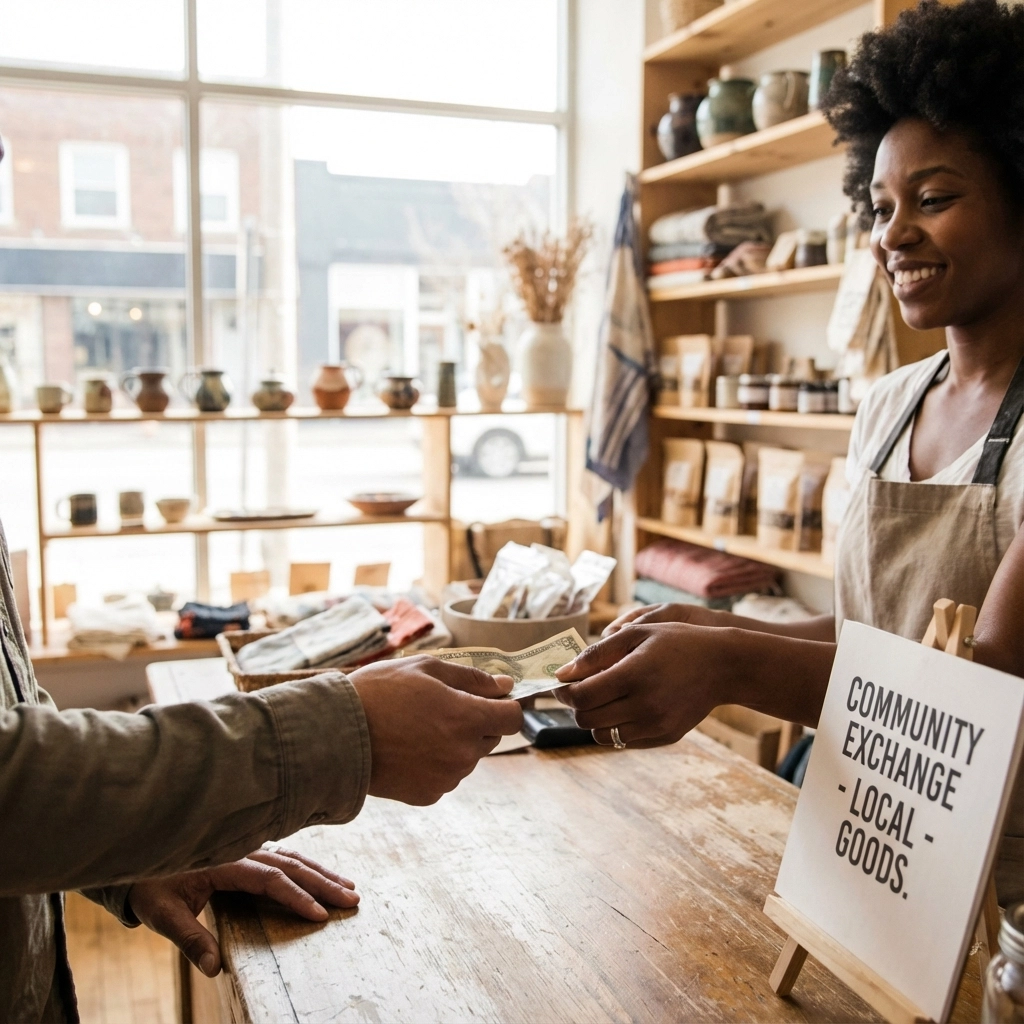
We believe in this multiplier effect because we witness it daily. When entrepreneurs build wealth and legacy through their businesses, they're not just improving their own families' situations. They're contributing to a foundation of economic security that makes better health outcomes possible for everyone around them.
Deep Community Knowledge Drives Responsive Care
Black business owners in Roseland know this community intimately. They live here, raise families here, and understand the unique challenges and strengths of our neighborhood. This local knowledge becomes a powerful tool for addressing health and resource equity gaps.
Take ReveNewCycle Management and Consulting, one of the innovative businesses calling Roseland home. They help healthcare providers stay afloat by optimizing revenue and creating efficient workflows. When healthcare providers can operate more successfully, they can better serve our community's health needs. It's a perfect example of how Black-owned businesses create pathways to better health outcomes: not just through what they sell, but through how they strengthen the entire ecosystem of care.
During COVID-19, we saw this responsive capacity in action across our community. Local restaurant owners pivoted to feed schoolchildren who'd lost access to free meals. Small retailers partnered with community organizations to distribute essential supplies. These rapid responses happened because business owners were accessible, embedded, and deeply committed to community well-being.

Cultural Strength Supports Mental and Social Health
Black-owned businesses do something that chain stores and distant corporations simply cannot: they affirm identity and strengthen cultural bonds. This cultural vibrancy directly supports mental health and social cohesion: factors that health experts recognize as fundamental to overall well-being.
When community members see businesses that reflect their values, interests, and needs, they experience a sense of belonging and pride. These positive feelings contribute to better mental health outcomes and stronger social connections. In neighborhoods where Black-owned businesses thrive, residents report higher levels of community satisfaction and lower levels of isolation.
We provide space and resources for businesses that understand this cultural significance. Whether it's entrepreneurs developing products that serve specific community needs or service providers who approach their work with cultural competency, these businesses become anchors for community identity and strength.
Project34's Role in Strengthening the Connection
At Project34, we invest in this powerful relationship between business success and community health. Our programs and services create the conditions for Black entrepreneurs to thrive, knowing that their success radiates outward in countless ways.
We provide coworking space, business development resources, and networking opportunities because we understand that supporting entrepreneurs means supporting community health. When businesses succeed, they hire locally, source locally when possible, and reinvest profits back into the community.

Our conference rooms host strategy sessions for health-focused enterprises. Our events bring together entrepreneurs who are tackling resource equity challenges. Through our programs and services, we're building a network of businesses that see community health as part of their mission.
Addressing Barriers to Health Equity
We know that Black-owned businesses face significant obstacles that limit their capacity to support community health. Access to capital remains restricted. Commercial rents continue rising. Financial institutions still discriminate. These barriers don't just hurt individual businesses: they undermine community health infrastructure.
That's why our work focuses on removing these barriers wherever possible. We provide affordable workspace, business development support, and connections to funding opportunities. We're working to create conditions where health-focused businesses can not only survive but thrive.
The challenges are real, but so are the opportunities. Every business we help establish, every entrepreneur we support, every connection we facilitate contributes to a stronger foundation for community health and resource equity.

Building Systemic Pathways to Health Equity
The connection between thriving Black-owned businesses and better community health represents something larger than individual success stories. We're building systemic pathways to health equity that address root causes rather than just symptoms.
When we support pro-social businesses embedded in our community, we're harnessing social, cultural, and economic capital in ways that reflect community agency and self-determination. This approach recognizes that health inequities stem from structural factors requiring diverse forms of intervention.
We believe that investing in Black-owned business success is simultaneously an investment in community health, childhood well-being, economic stability, and cultural resilience. It's an approach that honors community strengths while addressing very real challenges.
Moving Forward Together
The evidence is clear: Black-owned businesses and community health strengthen each other in profound ways. At Project34, we're committed to nurturing this relationship through our continued support of entrepreneurs who understand their role in community well-being.
Whether you're an entrepreneur with a vision for improving health outcomes, a community member looking to support local business, or someone interested in the intersection of economic and social justice, we invite you to be part of this movement.
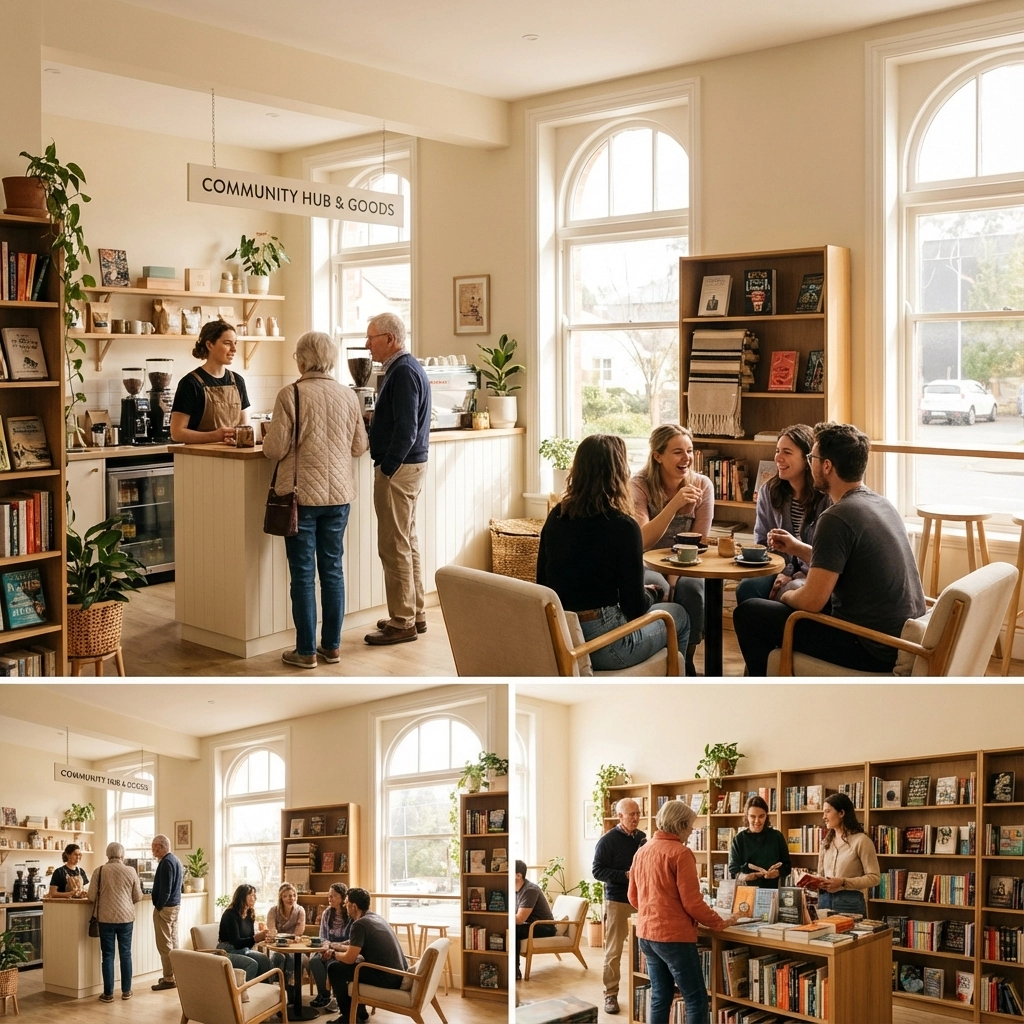
Visit us at Project34 to learn more about how you can contribute to thriving Black-owned businesses and better community health in Roseland. Together, we're building a future where economic success and health equity go hand in hand.
The connection between business success and community health isn't just an academic concept: it's the foundation of everything we do. When Black-owned businesses thrive, communities become healthier, more resilient, and more equitable. That's a future worth investing in, and it's a future we're building together, one entrepreneur and one community partnership at a time.
Comments